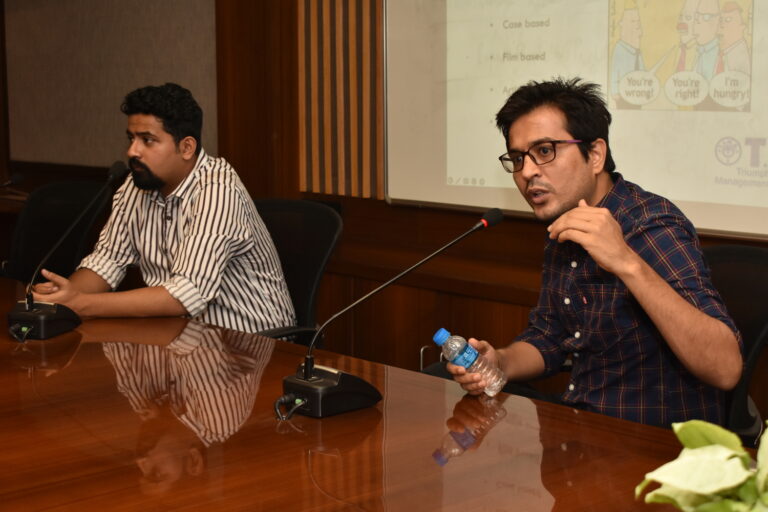
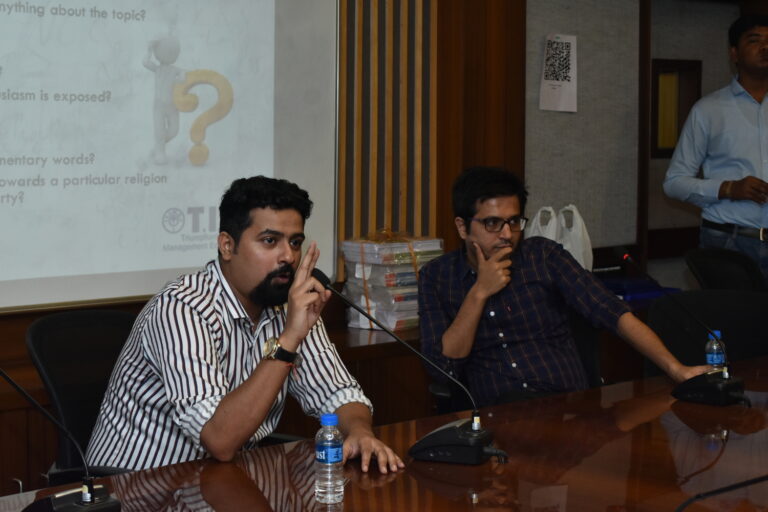
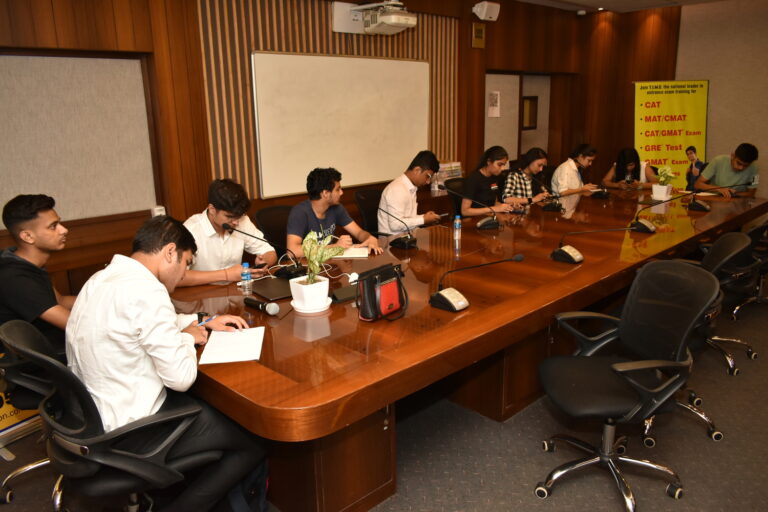
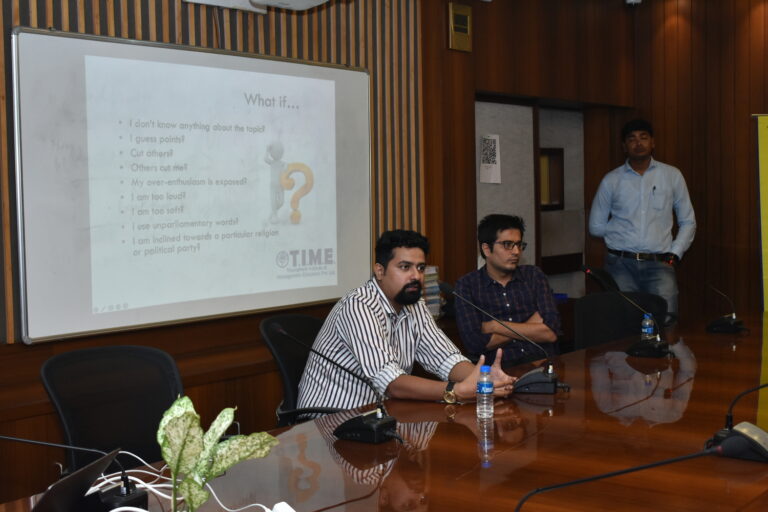
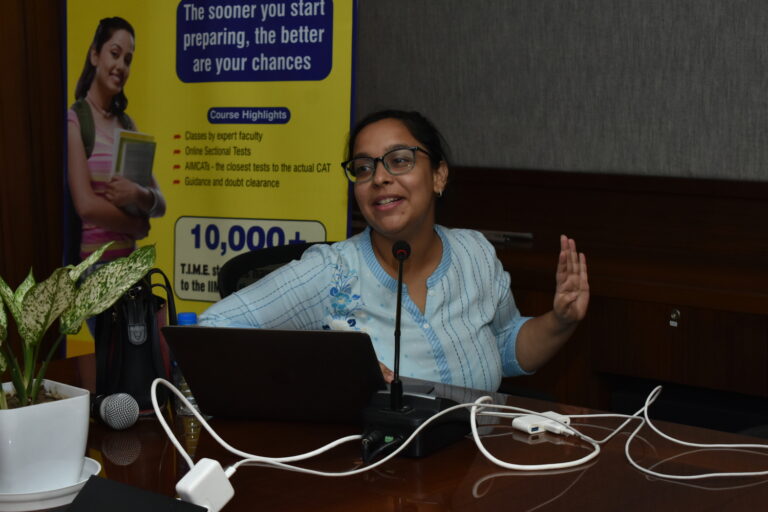
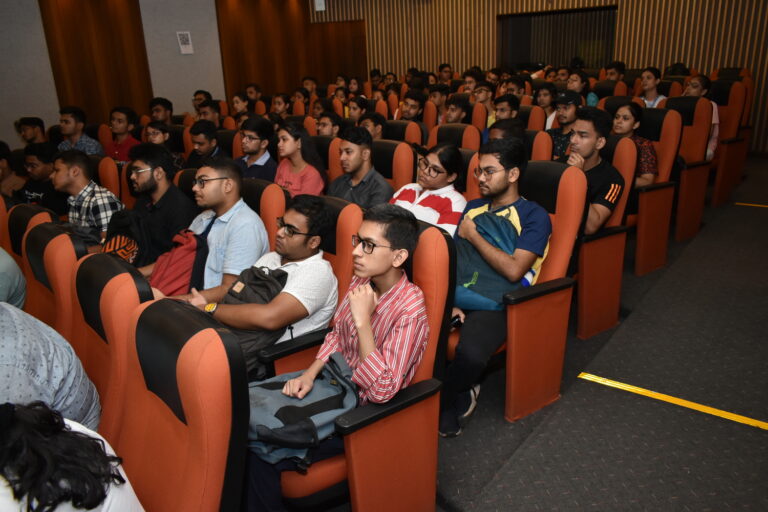
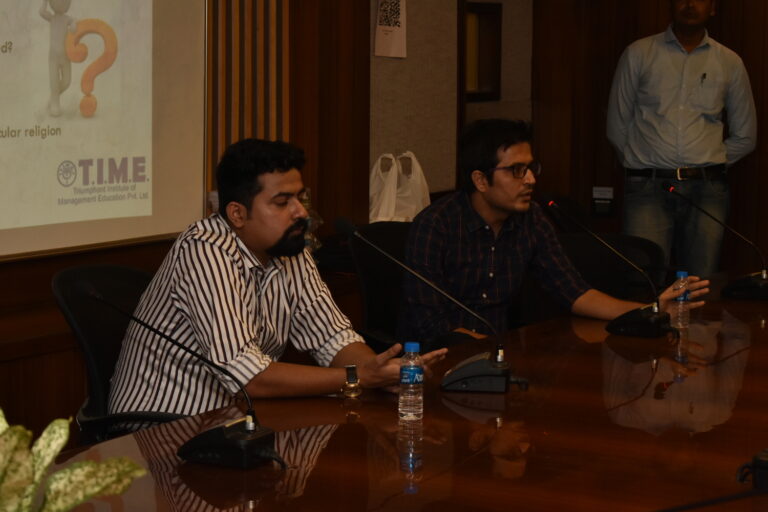
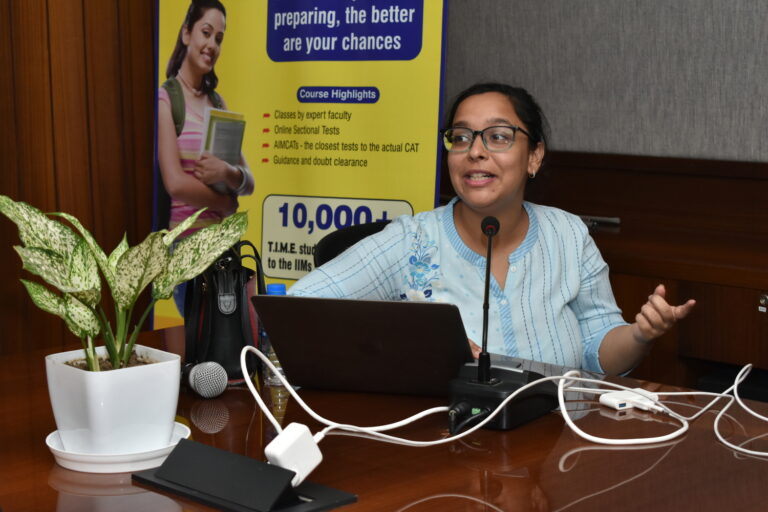
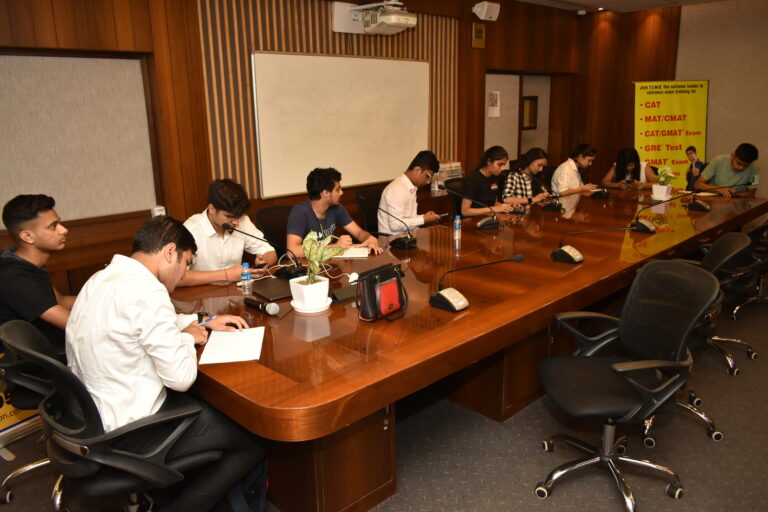
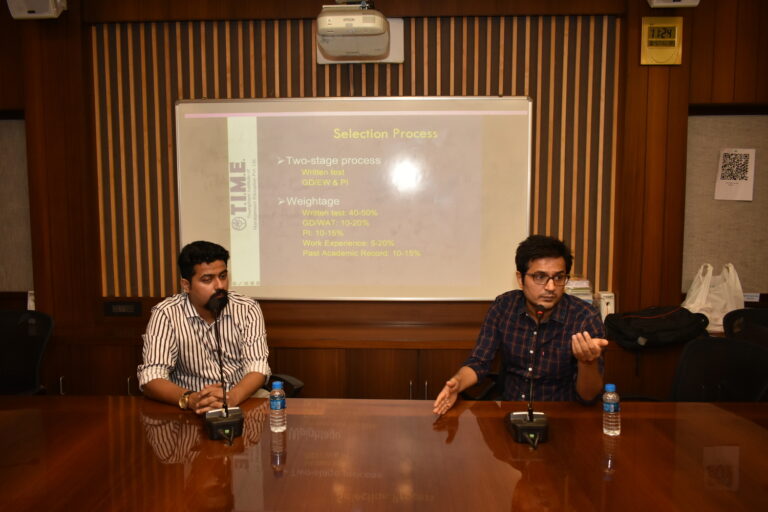
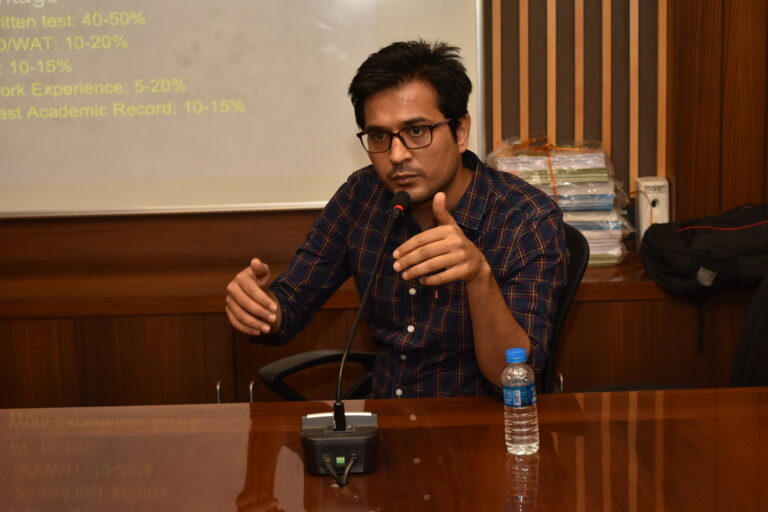
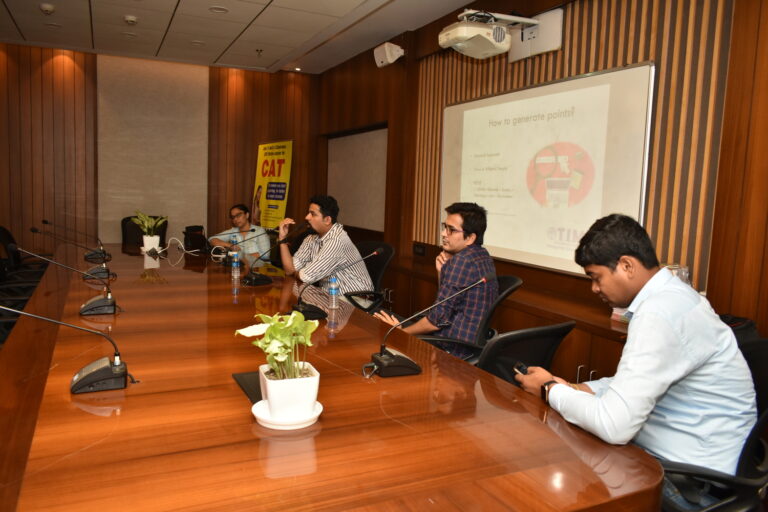
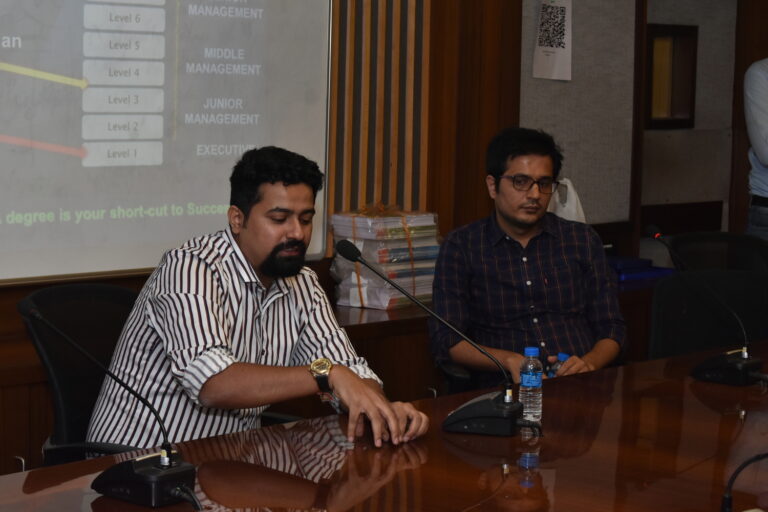
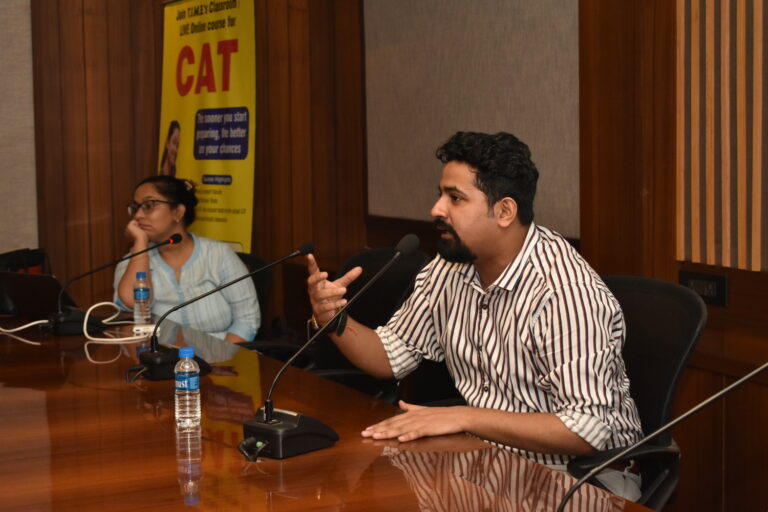
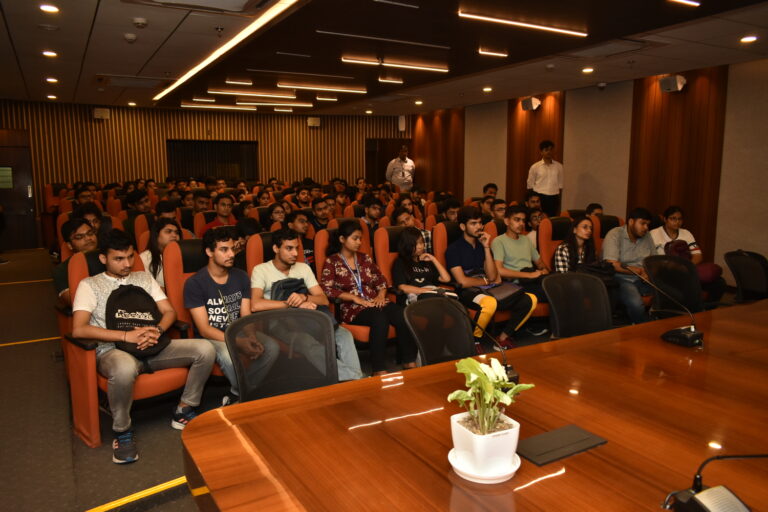
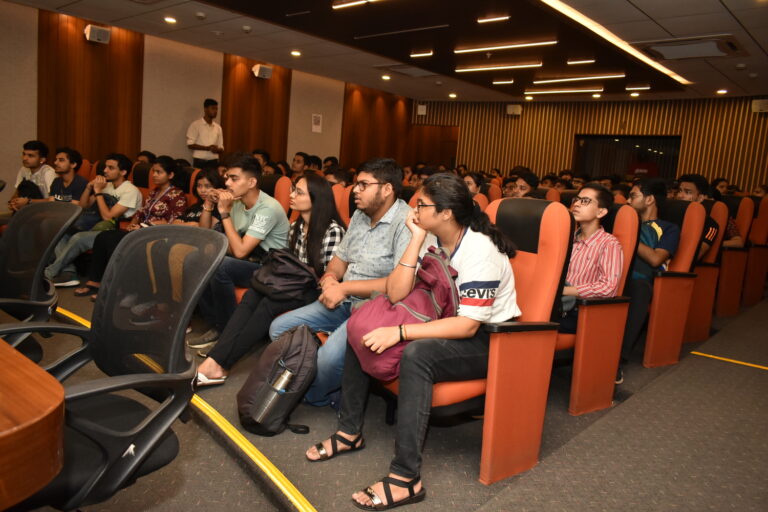
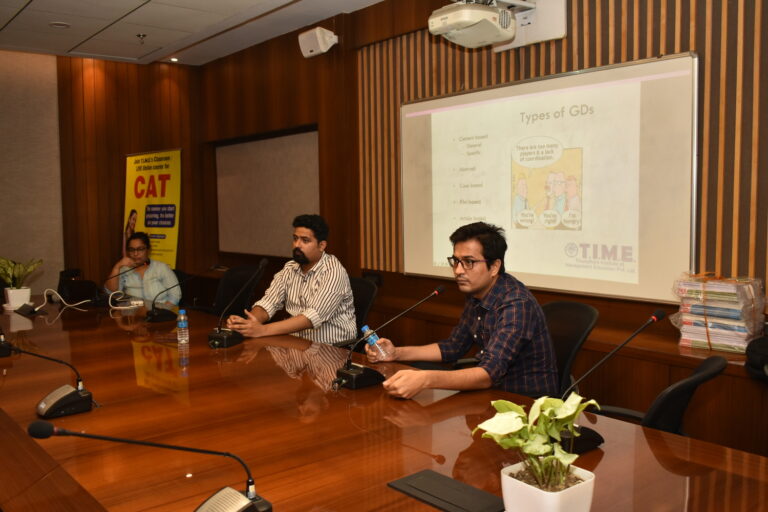
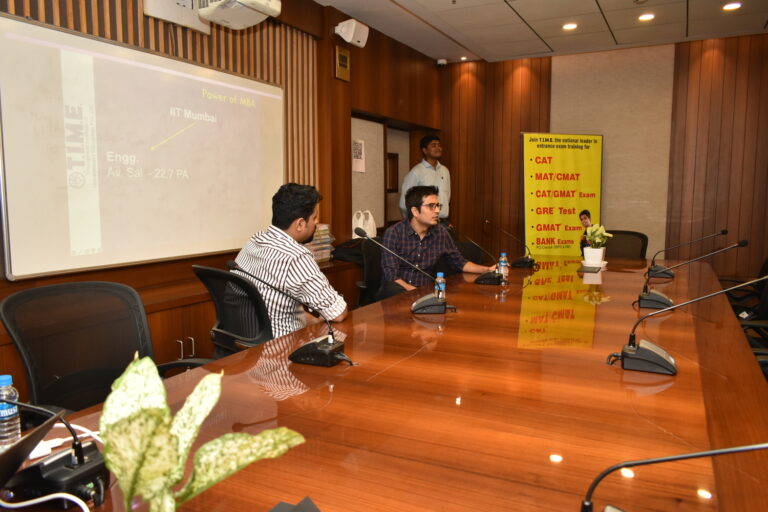
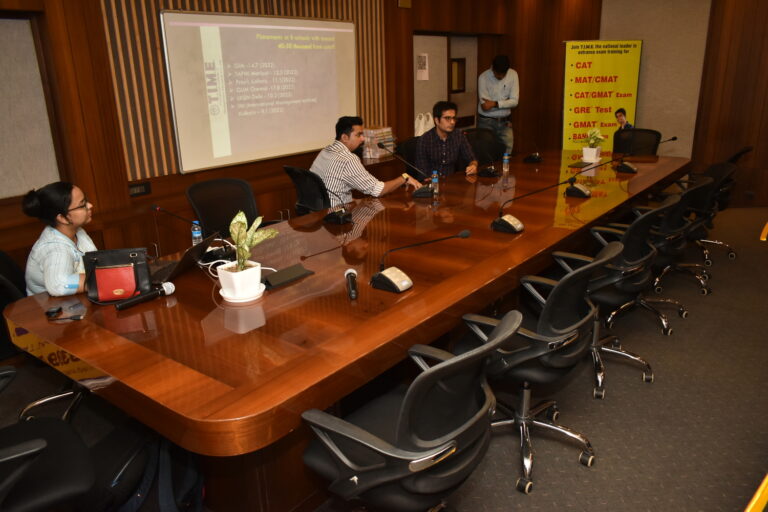
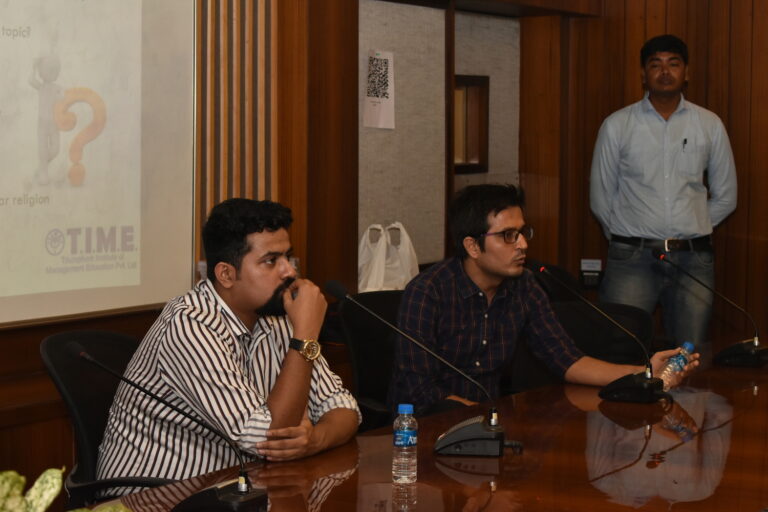
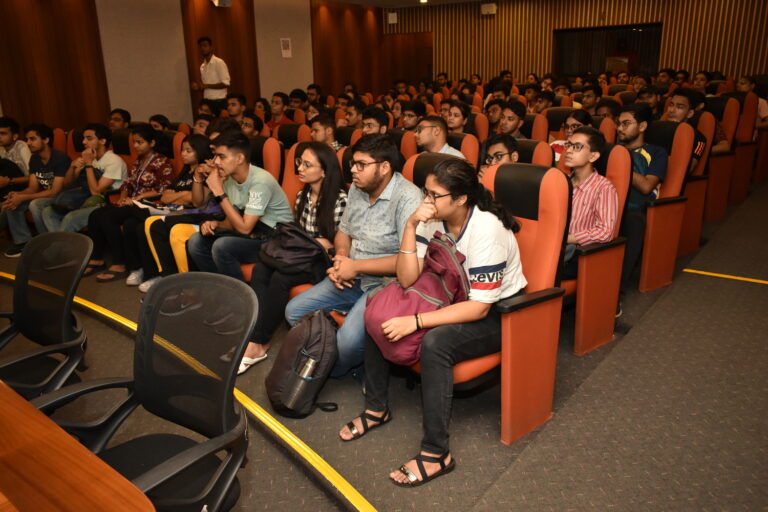
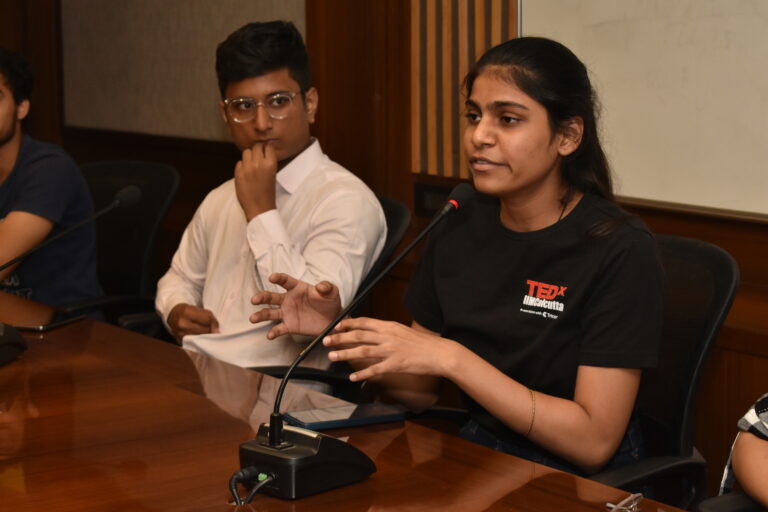
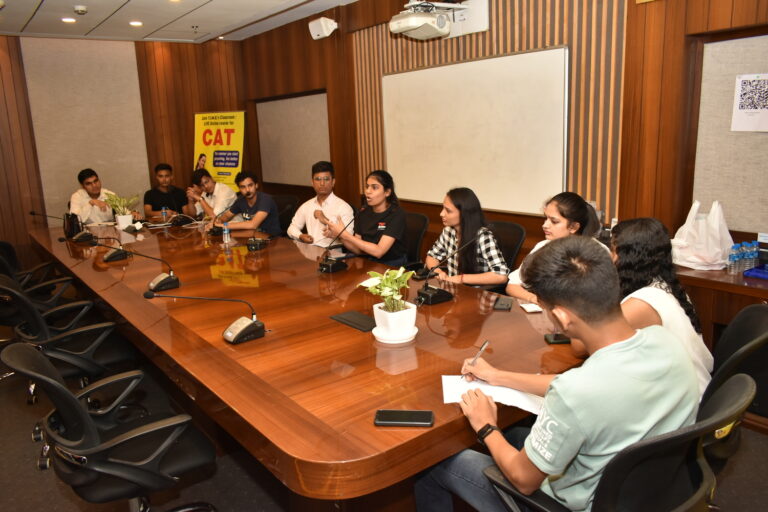
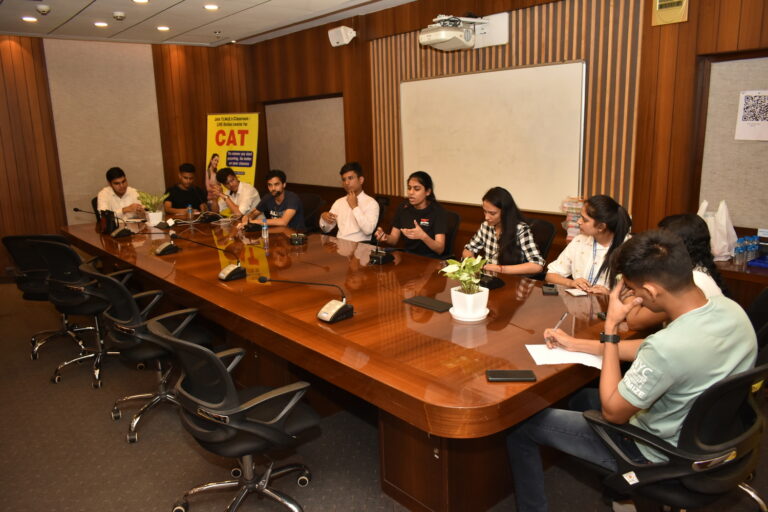
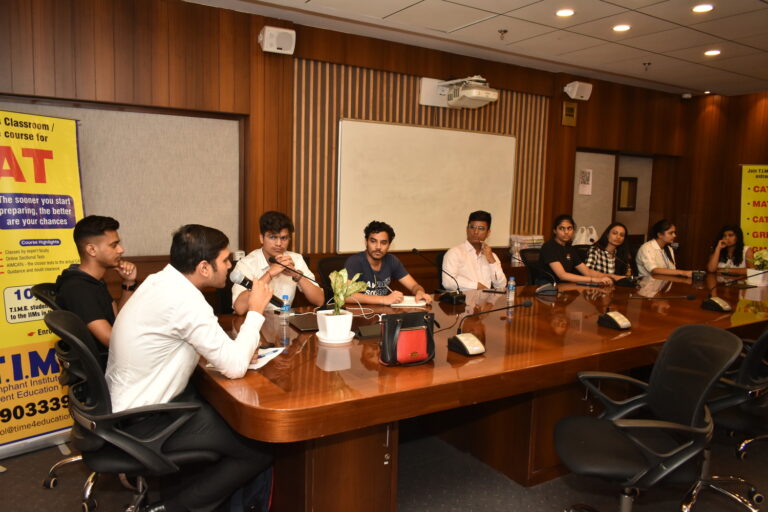
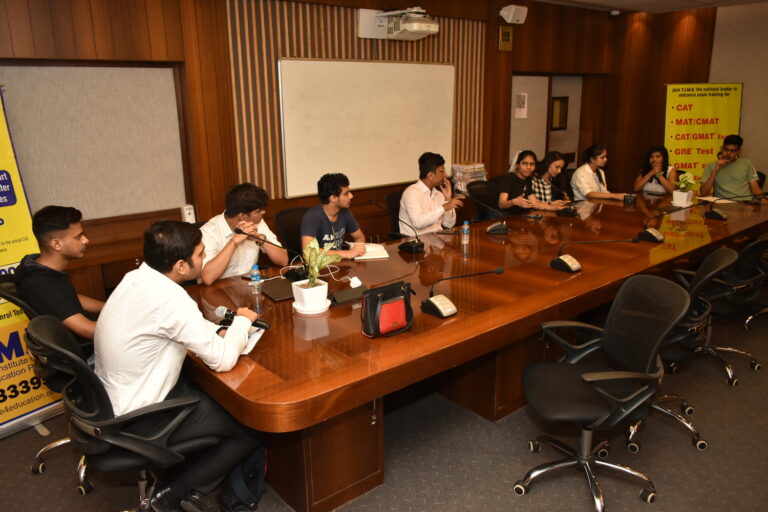
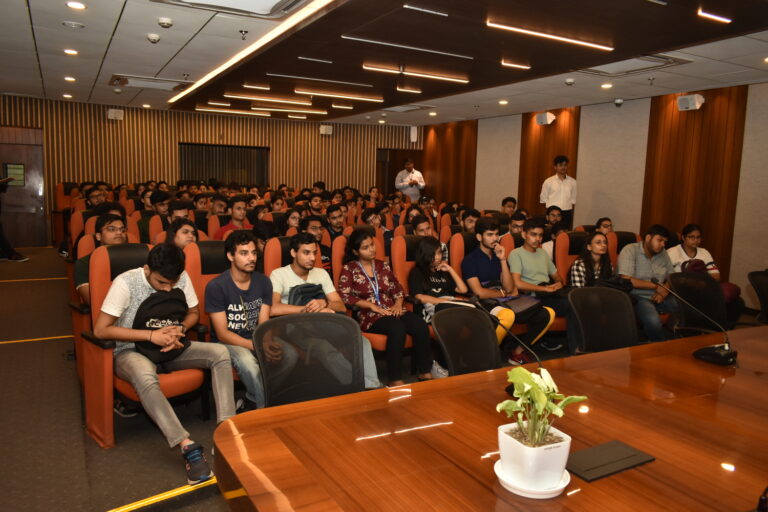
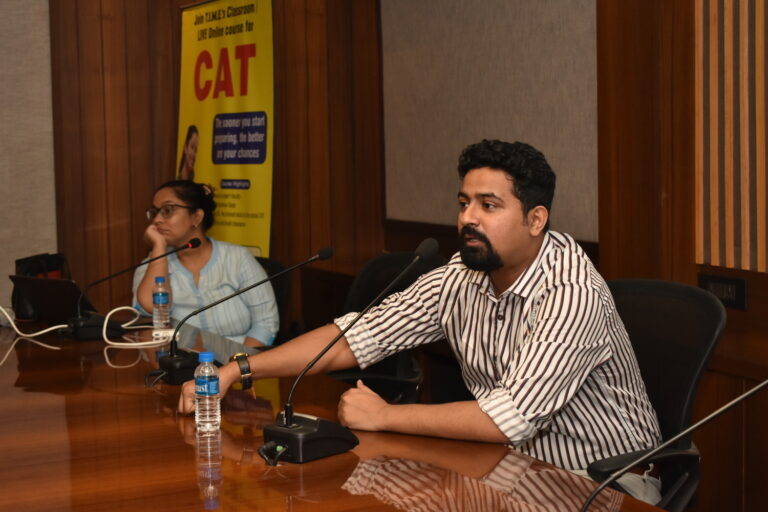
On 18th May 2023, The Bhawanipur Education Society College hosted a seminar on ‘How to Crack GD for MBA.’ at the Society hall of the college. The guest speakers for the event were Mr.Inder Chopra who has completed his PGDM from XLRI and Mr.Siddharth Malik, a graduate of IIT BHU and has a PGDM from IIM Calcutta. Both Mr. Chopra and Mr.Malik represented TIME Institute along with Ms.Prachi Mahajan.
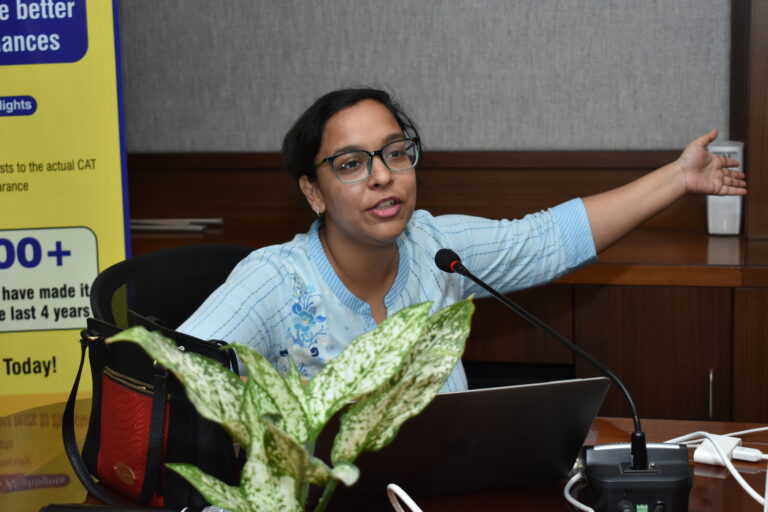
The speakers began by providing a detailed explanation of the significance of Group Discussions (GD) in the context of pursuing a career in MBA. They emphasized the purpose behind conducting GDs and the valuable insights they provide to the candidates. The primary objective of GDs is to evaluate various aspects of a candidate’s overall personality, including their knowledge, perspective, leadership abilities, communication skills, and behaviour within a group. In GDs participants are expected to demonstrate their understanding of a particular subject matter, and then present logical arguments, supporting their viewpoints with relevant facts and data. This aspect of GDs enables evaluators to gauge the depth of a candidate’s knowledge and their ability to think critically. These qualities are considered crucial for individuals aspiring to become effective managers in the business world.
Next the speakers provide a detailed overview of the different bases for GDs, such as abstract, case-based, film-based, article-based, group tasks, and content-based. They also highlighted the key evaluation factors including content and creativity, leadership skills, and communication approach (verbal and non-verbal), which determine the performance of MBA aspirants during GDs. These aspects were discussed as challenging elements that require candidates to showcase their analytical thinking, problem-solving abilities, and domain knowledge to crack GDs utilizing tools like “PESTEL”. Correspondingly the speakers gave a brief description of the different “B-schools” and the entrance exams associated with them such as CAT, NMAT, SNAP, etc.
Additionally, they emphasized the importance of thorough preparation, which includes gaining knowledge on a wide range of topics, staying updated with current affairs, and honing one’s communication and presentation skills. Communication skills were highlighted as a key factor assessed during GDs. The speakers stressed the significance of effective verbal and non-verbal communication, including clarity of speech, articulation of ideas, and body language. They explained that candidates who can convey their thoughts clearly, engage in meaningful discussions, and actively participate in group dynamics are more likely to succeed in the evaluation process. Furthermore, they highlighted the significance of active listening and respecting others’ point of views during the discussion, as this demonstrates empathy and open-mindedness, which are highly valued skills in managers.
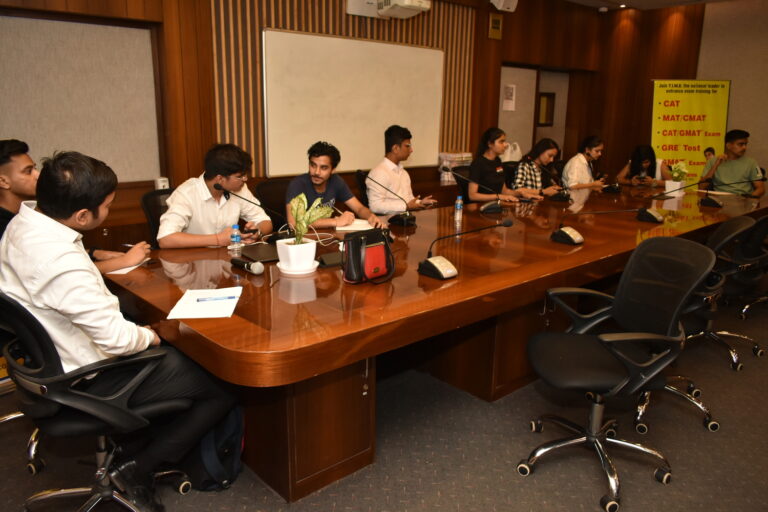
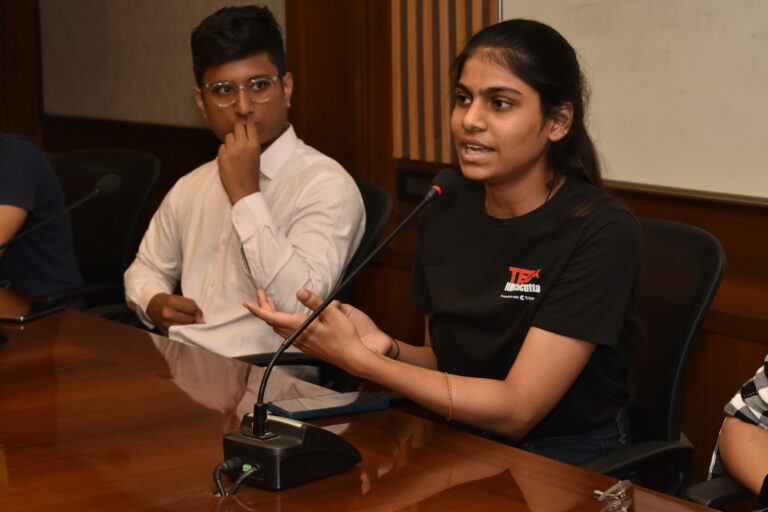
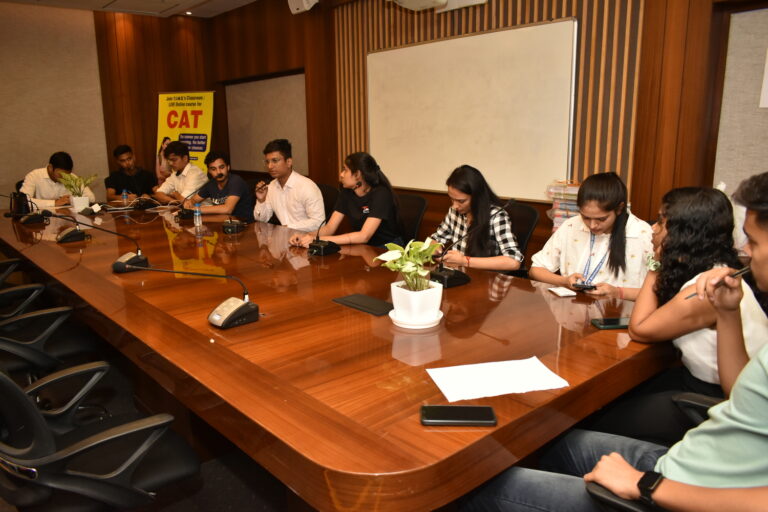
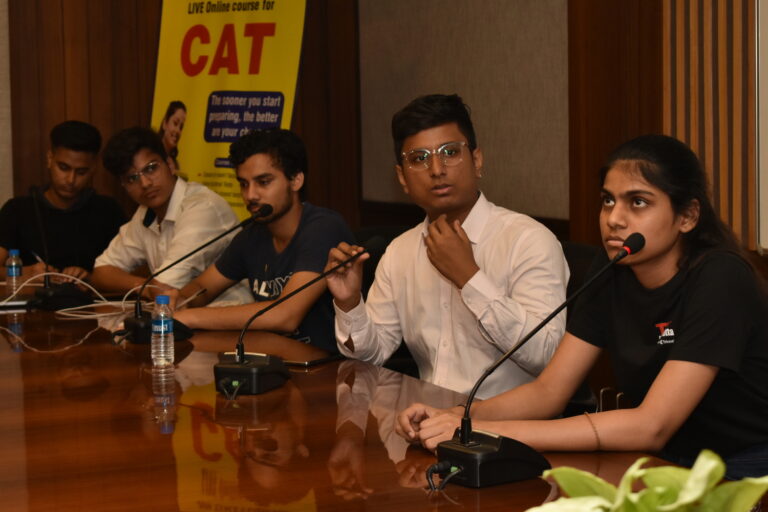
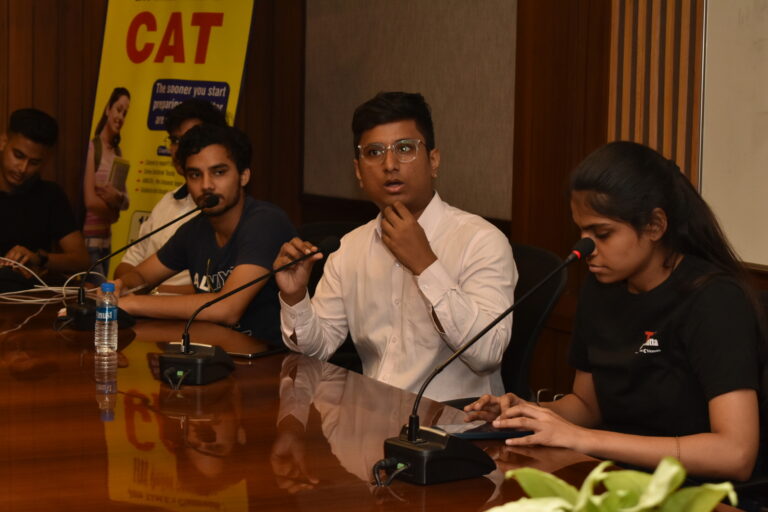
Overall, the speakers conveyed their expert knowledge of MBA by extensively discussing the significance of GDs in evaluating candidates. During the presentation, the panel went the extra mile to address any remaining doubts on Group Discussions by conducting a live demo GD. They invited ten participants to engage in a discussion on the topic “Should Euthanasia be legalized in India?” The purpose of this demo GD was to provide a practical illustration of how a GD takes place and to showcase the dynamics and evaluation criteria involved. A special vote of thanks to our guest speakers was given by Prof.Dilip Shah, Dean of Student Affairs and Prof.Minakshi Chaturvedi.
Name of the Activity: Quiz Type of Activity: Academic Time: 11:15 AM Details of Resource persons (Name, Designation, Affiliation, Area of Specialisation, etc): N.A No. of Participants: 18 Objective of the event: The objective of an Academic quiz is to create a stimulating and educational experience that tests participant’s knowledge, promotes learning, fosters critical thinking, …
The students of The Bhawanipur College were beyond honoured to have the presence of Mr. Nandan Mall, CMD and Founder of Hulladek Recycling Pvt.Ltd and Mr. Ajay Mittal, Director, Climate Change Programs, South and South East Asia to share their knowledge and valuable experiences with us in the event, 10X4 -Celebrating World Environment Day on …
Navaratri, a vibrant and colourful festival celebrated in Hindu society has a deep spiritual significance symbolizing the victory of the good over evil. The nine forms of Shakti / devi are worshipped with Dandiya Raas a traditional folk dance, Dandiya the colourful wooden stick and the dance Garba and Garbi the Navaratri combination is incomplete …
Management is a vast subject and reading management literature piques one’s interest in embarking on a management adventure. It has been rightly said, “The only important thing in a book is the meaning it has for you.” Reviewing not only improves one’s skills in analysing and critiquing but also broadens one’s vocabulary. On the afternoon …
HOW TO CRACK GD FOR MBA
On 18th May 2023, The Bhawanipur Education Society College hosted a seminar on ‘How to Crack GD for MBA.’ at the Society hall of the college. The guest speakers for the event were Mr.Inder Chopra who has completed his PGDM from XLRI and Mr.Siddharth Malik, a graduate of IIT BHU and has a PGDM from IIM Calcutta. Both Mr. Chopra and Mr.Malik represented TIME Institute along with Ms.Prachi Mahajan.
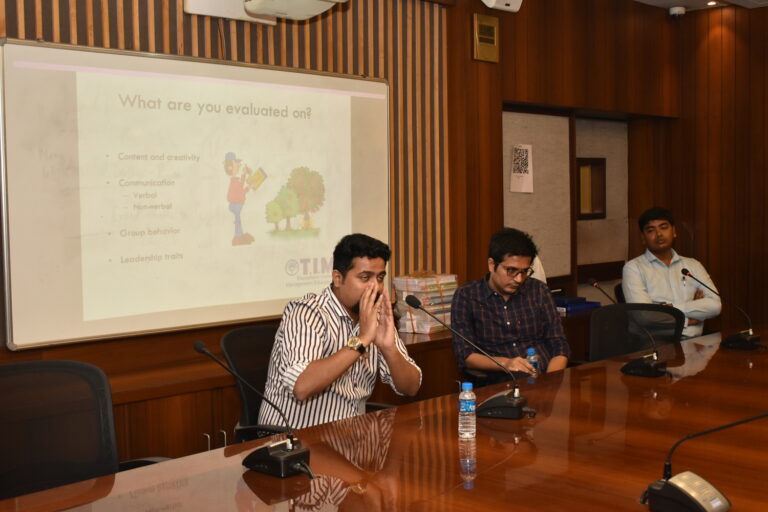
The speakers began by providing a detailed explanation of the significance of Group Discussions (GD) in the context of pursuing a career in MBA. They emphasized the purpose behind conducting GDs and the valuable insights they provide to the candidates. The primary objective of GDs is to evaluate various aspects of a candidate’s overall personality, including their knowledge, perspective, leadership abilities, communication skills, and behaviour within a group. In GDs participants are expected to demonstrate their understanding of a particular subject matter, and then present logical arguments, supporting their viewpoints with relevant facts and data. This aspect of GDs enables evaluators to gauge the depth of a candidate’s knowledge and their ability to think critically. These qualities are considered crucial for individuals aspiring to become effective managers in the business world.
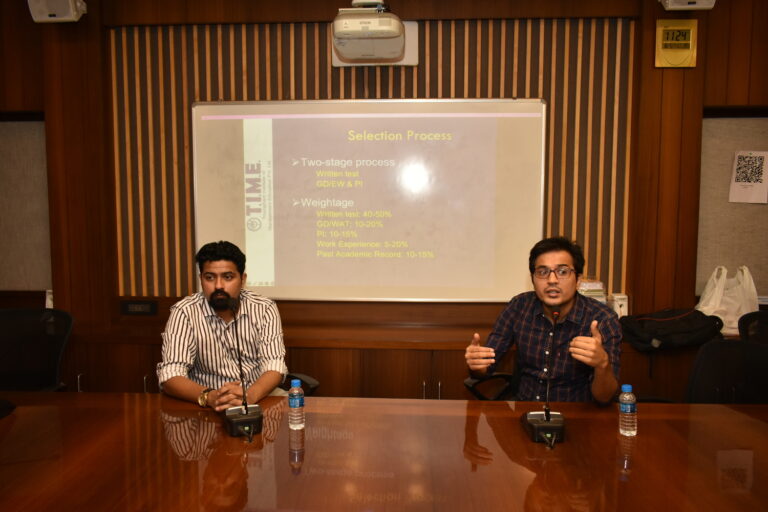
Next the speakers provide a detailed overview of the different bases for GDs, such as abstract, case-based, film-based, article-based, group tasks, and content-based. They also highlighted the key evaluation factors including content and creativity, leadership skills, and communication approach (verbal and non-verbal), which determine the performance of MBA aspirants during GDs. These aspects were discussed as challenging elements that require candidates to showcase their analytical thinking, problem-solving abilities, and domain knowledge to crack GDs utilizing tools like “PESTEL”. Correspondingly the speakers gave a brief description of the different “B-schools” and the entrance exams associated with them such as CAT, NMAT, SNAP, etc.
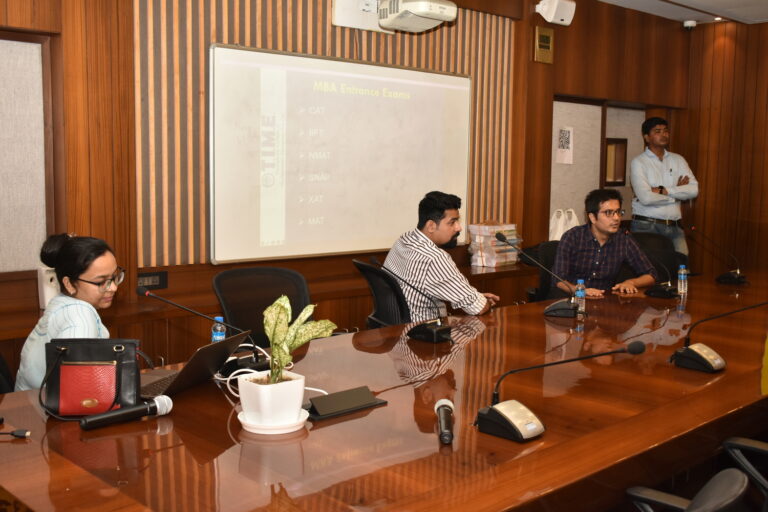
Additionally, they emphasized the importance of thorough preparation, which includes gaining knowledge on a wide range of topics, staying updated with current affairs, and honing one’s communication and presentation skills. Communication skills were highlighted as a key factor assessed during GDs. The speakers stressed the significance of effective verbal and non-verbal communication, including clarity of speech, articulation of ideas, and body language. They explained that candidates who can convey their thoughts clearly, engage in meaningful discussions, and actively participate in group dynamics are more likely to succeed in the evaluation process. Furthermore, they highlighted the significance of active listening and respecting others’ point of views during the discussion, as this demonstrates empathy and open-mindedness, which are highly valued skills in managers.
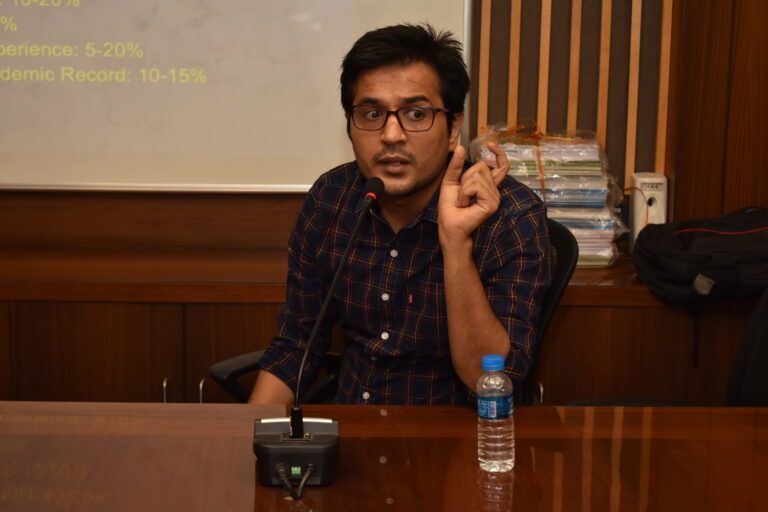
Overall, the speakers conveyed their expert knowledge of MBA by extensively discussing the significance of GDs in evaluating candidates. During the presentation, the panel went the extra mile to address any remaining doubts on Group Discussions by conducting a live demo GD. They invited ten participants to engage in a discussion on the topic “Should Euthanasia be legalized in India?” The purpose of this demo GD was to provide a practical illustration of how a GD takes place and to showcase the dynamics and evaluation criteria involved. A special vote of thanks to our guest speakers was given by Prof.Dilip Shah, Dean of Student Affairs and Prof.Minakshi Chaturvedi.
Reporter – Tanisha Hirawat
Photographed by- Papon Das
Related Posts
Semester V Political Science Honours Academic Quiz 2024
Name of the Activity: Quiz Type of Activity: Academic Time: 11:15 AM Details of Resource persons (Name, Designation, Affiliation, Area of Specialisation, etc): N.A No. of Participants: 18 Objective of the event: The objective of an Academic quiz is to create a stimulating and educational experience that tests participant’s knowledge, promotes learning, fosters critical thinking, …
10X4 Celebrating World Environment Day
The students of The Bhawanipur College were beyond honoured to have the presence of Mr. Nandan Mall, CMD and Founder of Hulladek Recycling Pvt.Ltd and Mr. Ajay Mittal, Director, Climate Change Programs, South and South East Asia to share their knowledge and valuable experiences with us in the event, 10X4 -Celebrating World Environment Day on …
Dhamaal Workshop
Navaratri, a vibrant and colourful festival celebrated in Hindu society has a deep spiritual significance symbolizing the victory of the good over evil. The nine forms of Shakti / devi are worshipped with Dandiya Raas a traditional folk dance, Dandiya the colourful wooden stick and the dance Garba and Garbi the Navaratri combination is incomplete …
Book Review
Management is a vast subject and reading management literature piques one’s interest in embarking on a management adventure. It has been rightly said, “The only important thing in a book is the meaning it has for you.” Reviewing not only improves one’s skills in analysing and critiquing but also broadens one’s vocabulary. On the afternoon …