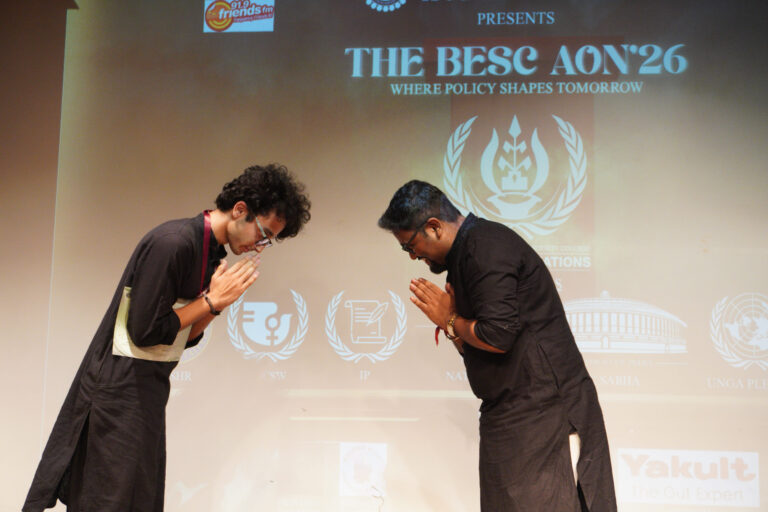
The Bhawanipur Education Society College Assembly of Nations (BESCAON) 2026, held from 9th to 12th April 2026, brought together a diverse range of simulated legislative and international bodies to deliberate on contemporary legal, political, and policy issues. Centred around the theme #PolicyOverPolitics, the conference served as a dynamic platform for academic discourse, critical engagement, and collaborative problem-solving.
Opening Ceremony
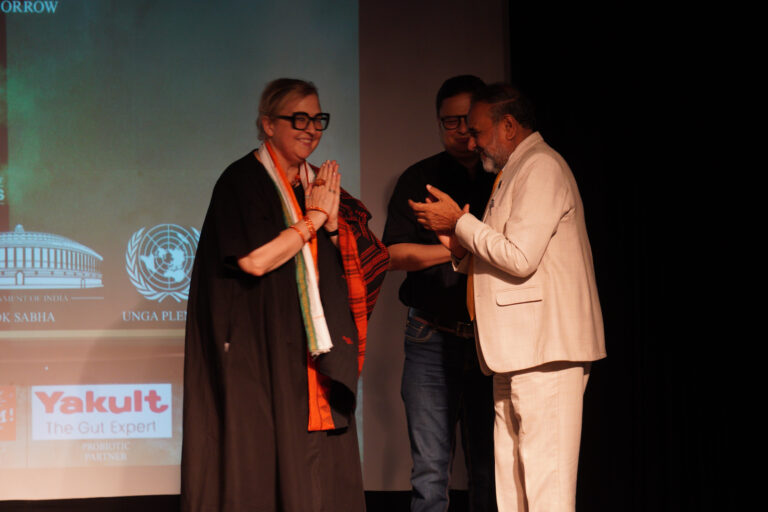
The conference was formally inaugurated by Mrs. Barbara Voss, Consul General of the Federal Republic of Germany, whose keynote address underscored the importance of dialogue, diplomacy, and youth participation in shaping global policy frameworks. Emphasising the need for informed and responsible leadership, she encouraged delegates to engage thoughtfully and constructively in discussions. Her presence set the tone for a conference rooted in intellectual rigour and international perspective.
Conference Proceedings
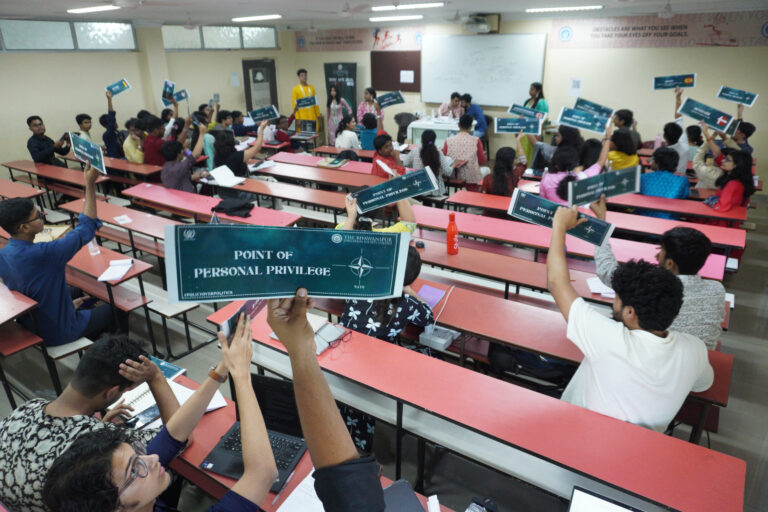
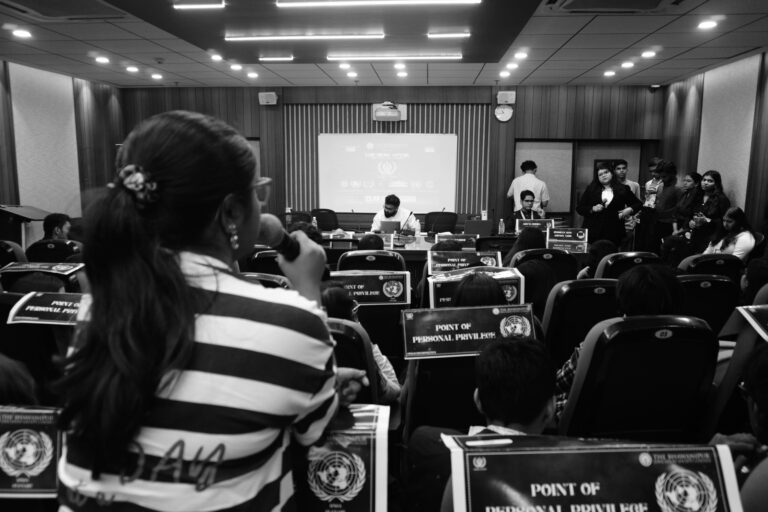
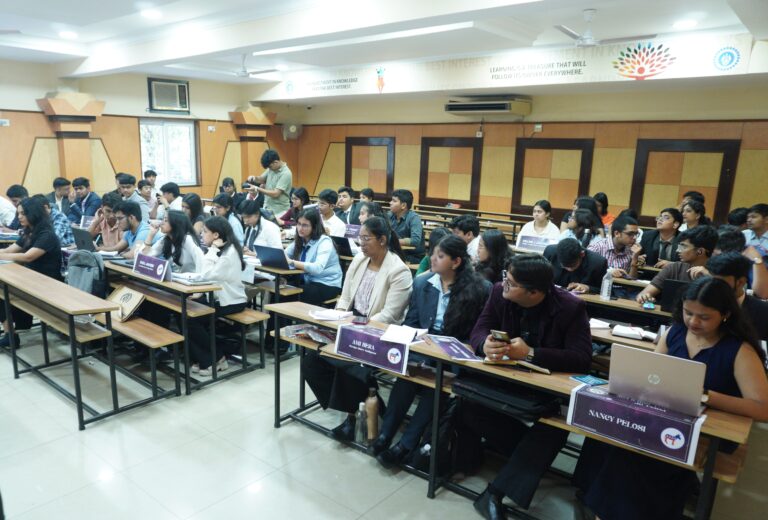
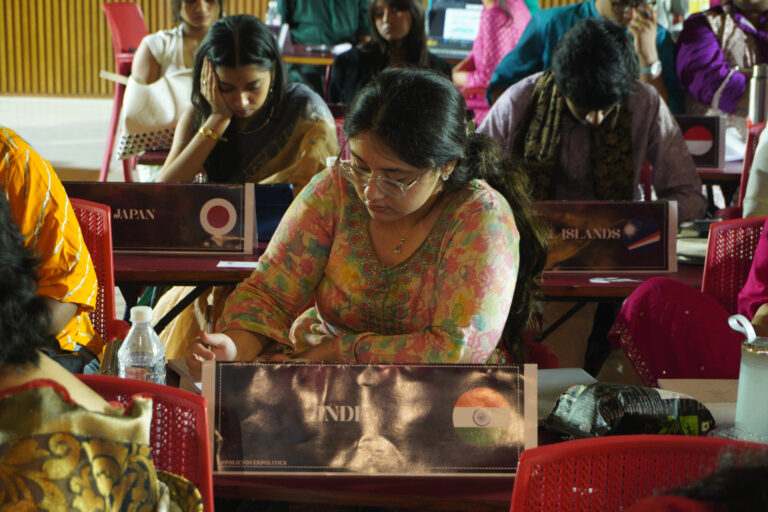
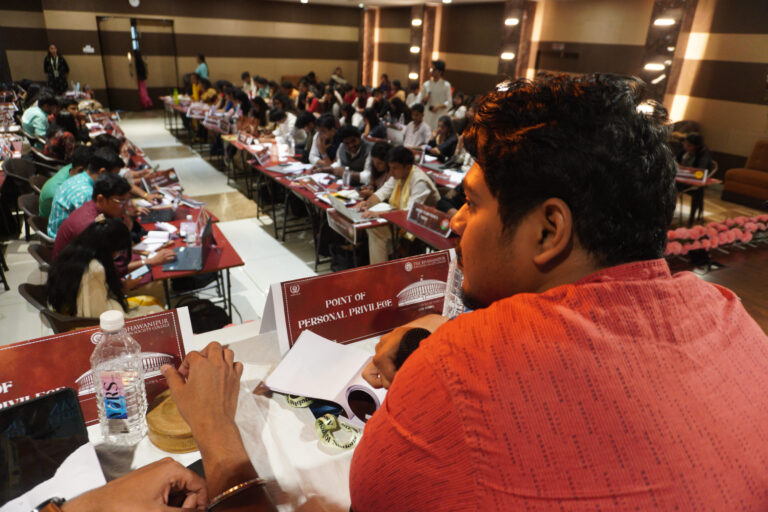
The conference featured committees including the Lok Sabha, United Nations General Assembly (UNGA), North Atlantic Treaty Organisation (NATO), United Nations Commission on the Status of Women (UNCSW), United Nations Chiefs of Police Summit (UNCOPS), and the United States House of Representatives. Over the four days, the proceedings reflected varying levels of procedural control, subject-matter engagement, and institutional outcomes, shaped by both the structure of each committee and the evolving participation of delegates.
The Lok Sabha committee deliberated on the proposed 125th Constitutional Amendment Bill concerning governance and statehood for Ladakh. Discussions extended beyond the core agenda to broader issues of federal balance, administrative control, and representation. While participation remained high, the committee reflected divided perspectives and did not arrive at a definitive resolution.
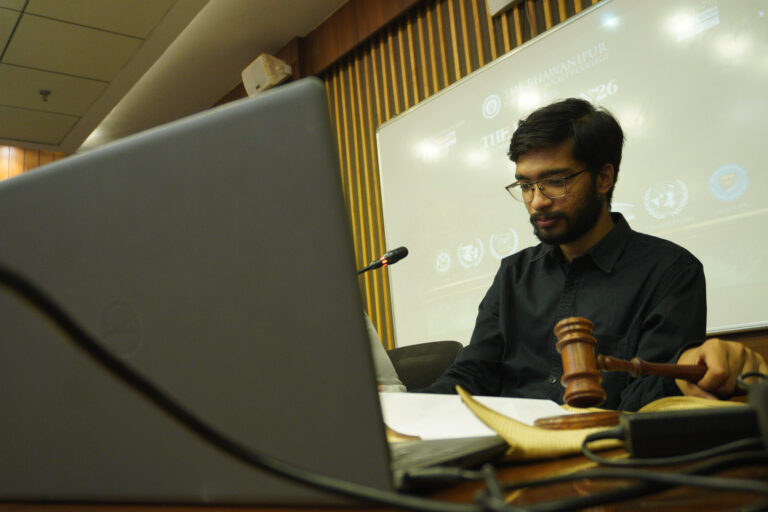
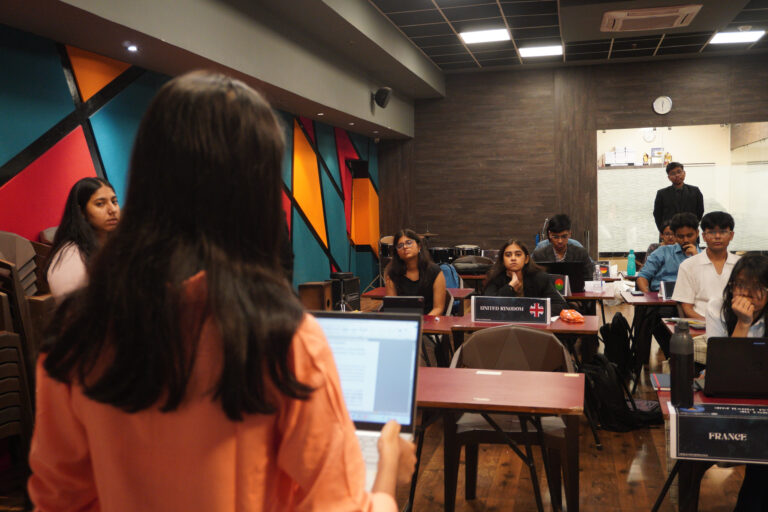
The United Nations General Assembly (UNGA) addressed agendas on strengthening mediation in international conflict resolution and regulating emerging technologies. Initial procedural challenges gradually gave way to more structured and meaningful engagement, with delegates exploring enforcement limitations, technological disparities, and evolving global governance frameworks.
The NATO committee, operating under a crisis-based format, examined security developments along the Eastern European flank. As simulated crises unfolded, discussions intensified, ultimately culminating in the invocation of Article 5 and a collective defence response.
The UNCSW committee focused on Women, Peace, and Security, progressing through structured discussions and negotiations to produce a comprehensive outcome document addressing gender-based violence, climate impacts, and women’s participation in governance and peacebuilding.
The UNCOPS committee examined operational and institutional challenges within UN policing, focusing on accountability, coordination, and effectiveness in peacekeeping missions. Delegates proposed measures to strengthen transparency and improve operational frameworks.
The United States House of Representatives committee deliberated on issues related to the Epstein files, exploring questions of transparency, accountability, and institutional oversight. While no unified resolution was reached, the discussions enabled a detailed examination of complex legal and ethical considerations.
Across committees, delegates demonstrated increasing procedural familiarity and engagement over time. Structured formats such as moderated caucuses and negotiations contributed to more coherent outcomes, while complex agendas encouraged critical debate and analytical depth.
Closing Ceremony
The conference concluded on a celebratory and high-spirited note with the Closing Night Highlights, marking the culmination of four days of intense debate, collaboration, and intellectual exchange. The evening featured a stand-up comedy performance by the Calcutta Comedy Company, followed by a high-energy DJ set, bringing together delegates and participants in a vibrant and memorable finale.
Conclusion
BESCAON 2026 not only provided a platform for academic and policy-oriented discourse but also fostered critical thinking, public speaking, and leadership skills among students. The conference stands as a testament to the growing relevance of such initiatives in shaping informed, engaged, and future-ready global citizens.
Through its blend of rigorous debate and collaborative engagement, BESCAON continues to reinforce The Bhawanipur Education Society College’s commitment to experiential learning and academic excellence.
