The Assembly of Nations organised a Model United Nations (MUN) Workshop on 22nd July 2026 at the Society Hall, The Bhawanipur Education Society College. Commencing at 11:00 a.m., the workshop witnessed the enthusiastic participation of nearly 90 students, highlighting the growing interest in diplomacy, international relations, and public policy among the student community.
The workshop was conducted to introduce students to the fundamentals of Model United Nations and provide them with a practical understanding of how MUN conferences function. The session covered the structure and working of Indian Committees, International Committees, and the International Press, familiarising participants with their unique roles, procedures, and styles of debate. Students were also introduced to the responsibilities of delegates, parliamentary procedure, research techniques, speech drafting, and the process of preparing working papers and resolutions.
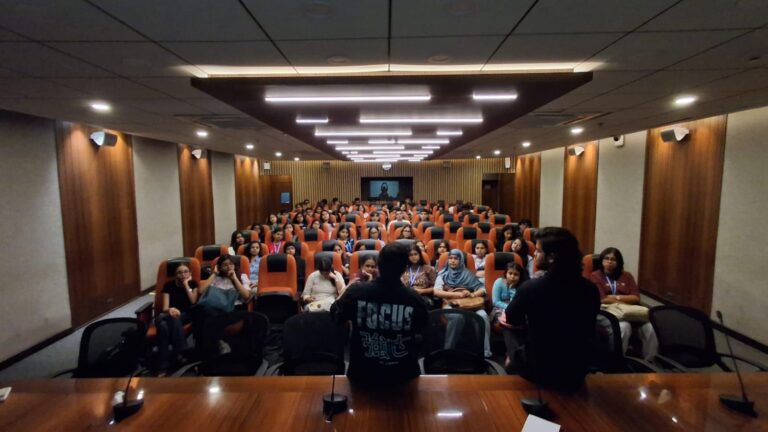
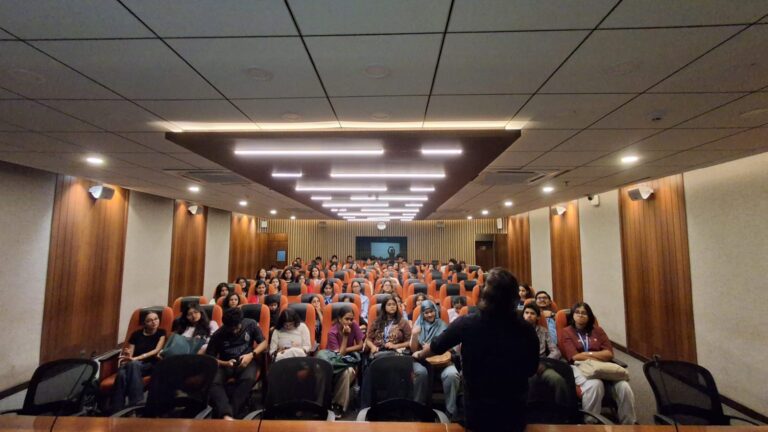
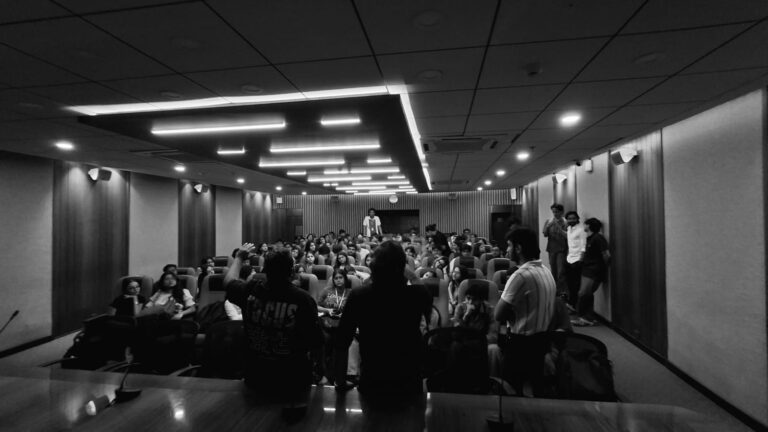
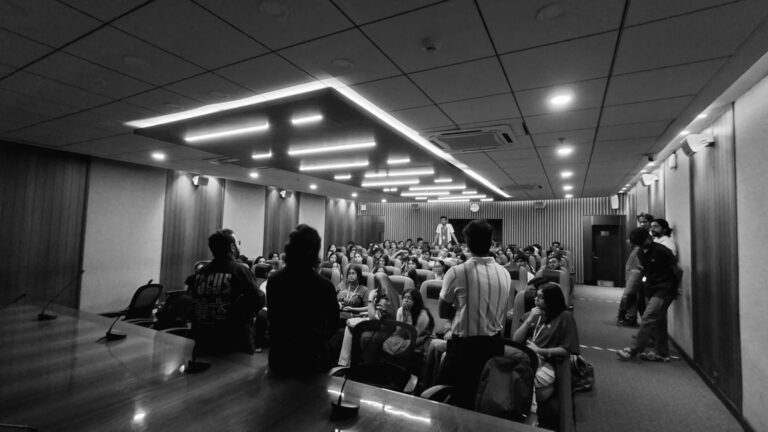
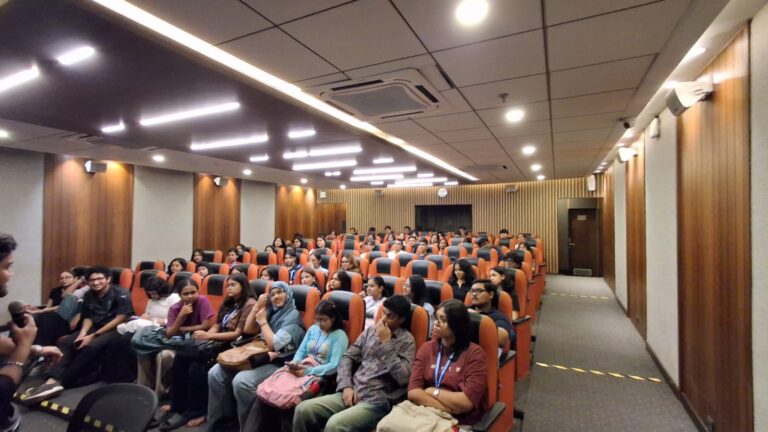
Keeping the session interactive, the speakers encouraged students to ask questions and participate in simulated committee discussions. Through these activities, participants experienced the dynamics of negotiations, moderated debates, and diplomatic discussions, helping them understand the importance of teamwork, communication, and critical thinking in resolving global issues. The practical demonstrations also gave first-time participants a clear idea of what to expect at a competitive MUN conference.
The workshop concluded with an engaging question-and-answer session, during which students interacted with the organisers and clarified their doubts regarding committee procedures, research methods, and effective public speaking. Participants also received valuable guidance on preparing for future conferences and improving their debating and negotiation skills.
By combining theoretical concepts with practical demonstrations, the Model United Nations Workshop proved to be an enriching learning experience. It not only equipped students with the foundational knowledge required to participate confidently in MUNs but also encouraged them to develop a deeper understanding of global affairs, diplomacy, and policymaking.
